
6 min read
Embroidery, Screen Print, or Something Else? Choosing the Right Decoration Method
A guide to choosing the right decoration method for branded merchandise, from embroidery and screen print to debossing, patches, 3D embroidery, and specialty finishes that make products feel more custom.
Category:
Culture
Updated:
Jul 24, 2026

Nick Pfister
Founder
Embroidery, Screen Print, or Something Else? Choosing the Right Decoration Method
The product matters, but the decoration method is what gives branded merchandise its personality.
A great blank can still feel flat if the imprint is wrong. A logo that looks sharp on a screen may not translate well to embroidery. A clean one-color graphic might be perfect for a heavyweight tee, but feel underwhelming on a premium gift. The right method depends on the product, the design, the audience, and the kind of impression you want the piece to make.
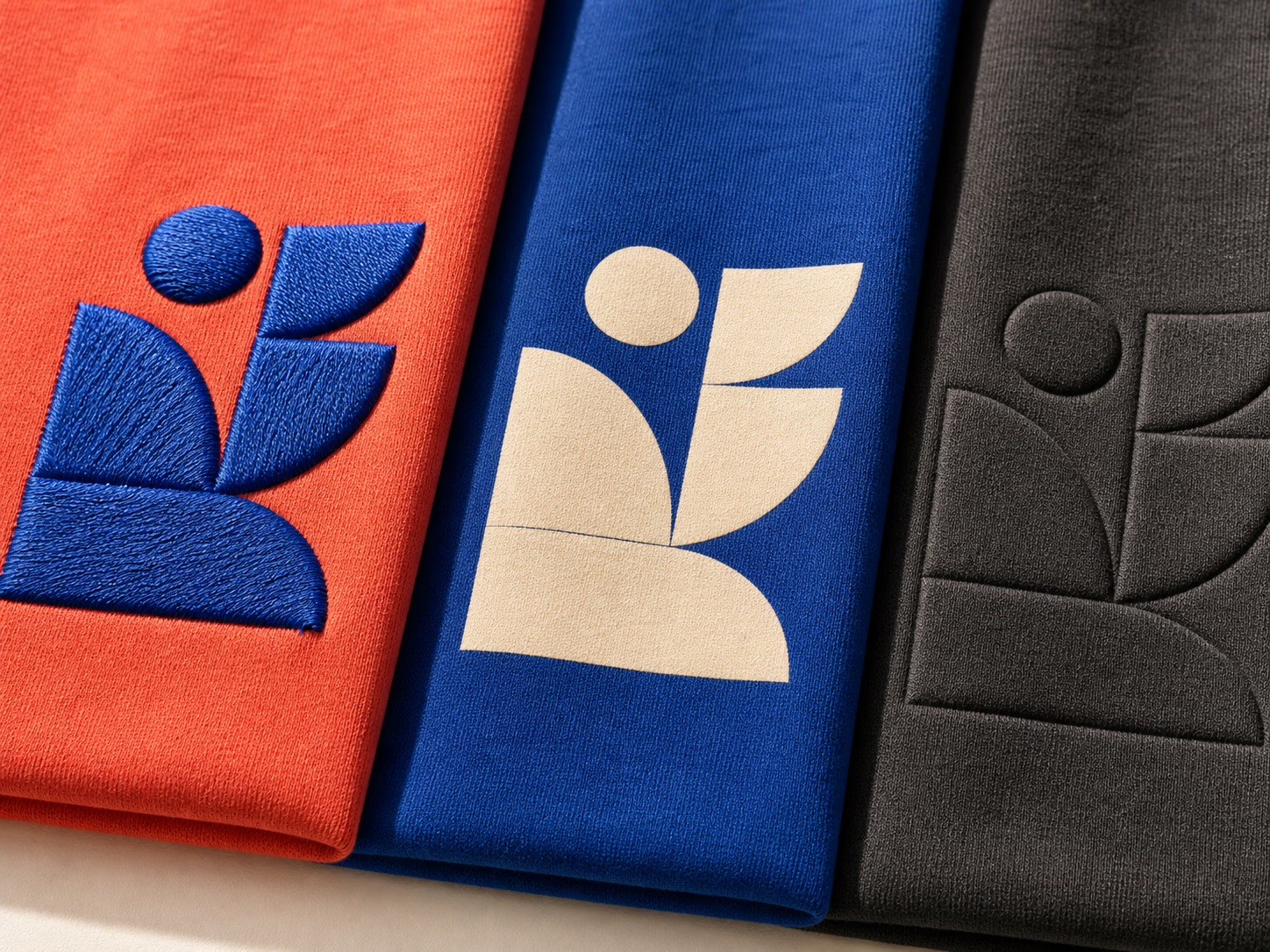
Most people start with the basics: embroidery or screen print. Both are staples for a reason. But some of the most memorable branded products come from pushing beyond the obvious — using texture, dimension, tone-on-tone details, embossing, debossing, patches, appliqué, 3D embroidery, or specialty finishes that make the item feel more custom.
The best decoration method is not always the loudest one. It is the one that makes the product feel intentional.
Start with the product
Every product has a method that naturally fits it.
A structured hat may call for embroidery. A soft tee may be better suited for screen print. A leather journal might look best debossed. A silicone patch could make a bag feel more modern. A woven label can turn a basic garment into something that feels retail.
Before choosing a decoration method, look at the material, shape, size, and use case.
Some products need flexibility. Some need durability. Some need detail. Others need dimension. The imprint should work with the item, not fight against it.
A decoration method should feel like it belongs there.
Embroidery adds texture and permanence
Embroidery is one of the most classic decoration methods because it gives a product weight, texture, and a sense of quality.
It works especially well on hats, polos, jackets, bags, blankets, and midweight garments. It gives the brand a more permanent feel, which is why it is often used for team apparel, uniforms, premium gifts, and pieces meant to be worn repeatedly.
But embroidery also has limits. Very small text, fine lines, gradients, and complex artwork can become hard to read when converted to thread. A design may need to be simplified, adjusted, or rebuilt so it stitches cleanly.
That does not make embroidery less useful. It just means the design should be created for the method.
3D embroidery makes hats feel custom
For hats, 3D embroidery can completely change the feel of the piece.
Instead of the logo sitting flat on the front panel, foam is placed under the stitching to create a raised effect. The result is bold, dimensional, and closer to what people expect from retail headwear.
It works best with simple shapes, strong lettering, and designs that have enough thickness to hold the raised stitch. Thin lines and tiny details usually do not translate as well.
Used well, 3D embroidery can make a hat feel less like a giveaway and more like something someone would actually buy.
Screen print is still hard to beat
Screen print remains one of the strongest options for tees, sweatshirts, totes, and flat fabric items.
It is especially good for bold graphics, larger prints, and projects where color and scale matter. A well-done screen print can feel soft, durable, and clean. It also tends to be more efficient when producing larger quantities.
Screen print is not just the budget option. It can be the best option when the artwork needs room to breathe.
The key is matching the design to the garment. A left chest logo, oversized back print, sleeve hit, or tonal design can all feel completely different, even on the same blank.
Debossing and embossing create quiet impact
Not every branded product needs color.
Debossing presses a design into the surface. Embossing raises it. Both methods create a more subtle, tactile mark that feels polished and premium.
These methods work especially well on leather, faux leather, notebooks, packaging, drinkware wraps, folders, patches, and certain gift items. They are great when you want the branding to feel refined rather than promotional.
A debossed logo on a notebook or luggage tag may not grab attention from across the room, but it can feel more expensive in someone’s hand. That quiet detail is often what makes the item worth keeping.
Patches, labels, and appliqué add dimension
Sometimes the best decoration is not printed or stitched directly onto the product.
Patches, woven labels, leather patches, rubber patches, chenille, felt, and appliqué can make a piece feel more layered and custom. They add texture and give the design its own physical presence.
A rope hat with a leather patch feels different than a flat embroidered logo. A sweatshirt with appliqué lettering feels different than a standard print. A bag with a woven label can feel more like retail packaging than corporate merch.
These methods are especially useful when the goal is to make the product feel more like a branded collection than a one-off giveaway.
Specialty methods can make simple ideas stronger
Unique imprint methods work best when they support the idea.
Tone-on-tone embroidery can make a piece feel understated. Puff ink can add dimension to a simple tee. Metallic foil can elevate packaging or event materials. Laser engraving can make drinkware, wood, or metal feel more permanent. Full-color digital print can bring complex artwork to life when screen print is not the right fit.
The method should not be chosen just because it is different. It should make the product better.
When the decoration method adds texture, contrast, permanence, or surprise, the item becomes more memorable.
The right method depends on the goal
Before choosing how to decorate a product, ask what the item needs to do.
Is it meant to feel premium?
Is it meant to be worn often?
Is it for a large event?
Is it part of a gift kit?
Does the artwork need fine detail?
Should the branding be loud or subtle?
A corporate uniform, a nonprofit fundraiser hat, a luxury client gift, and a summer giveaway may all use different decoration methods, even if they carry the same logo.
Good branded merchandise is not one-size-fits-all. The method should match the moment.
Make the imprint part of the design
The strongest branded products do not treat decoration as an afterthought.
They consider the product, the artwork, the placement, the texture, and the way someone will use the item. Embroidery, screen print, debossing, appliqué, patches, engraving, and specialty finishes all have a place. The opportunity is knowing when to use each one.
The right decoration method can turn a simple product into something that feels custom, useful, and worth keeping.
That is the goal: not just putting a logo on something, but choosing the method that makes the brand feel more intentional.
